COMPANY BUSINESSES

COMPANY BUSINESSES
Beijing
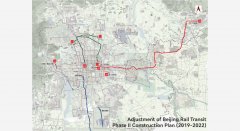
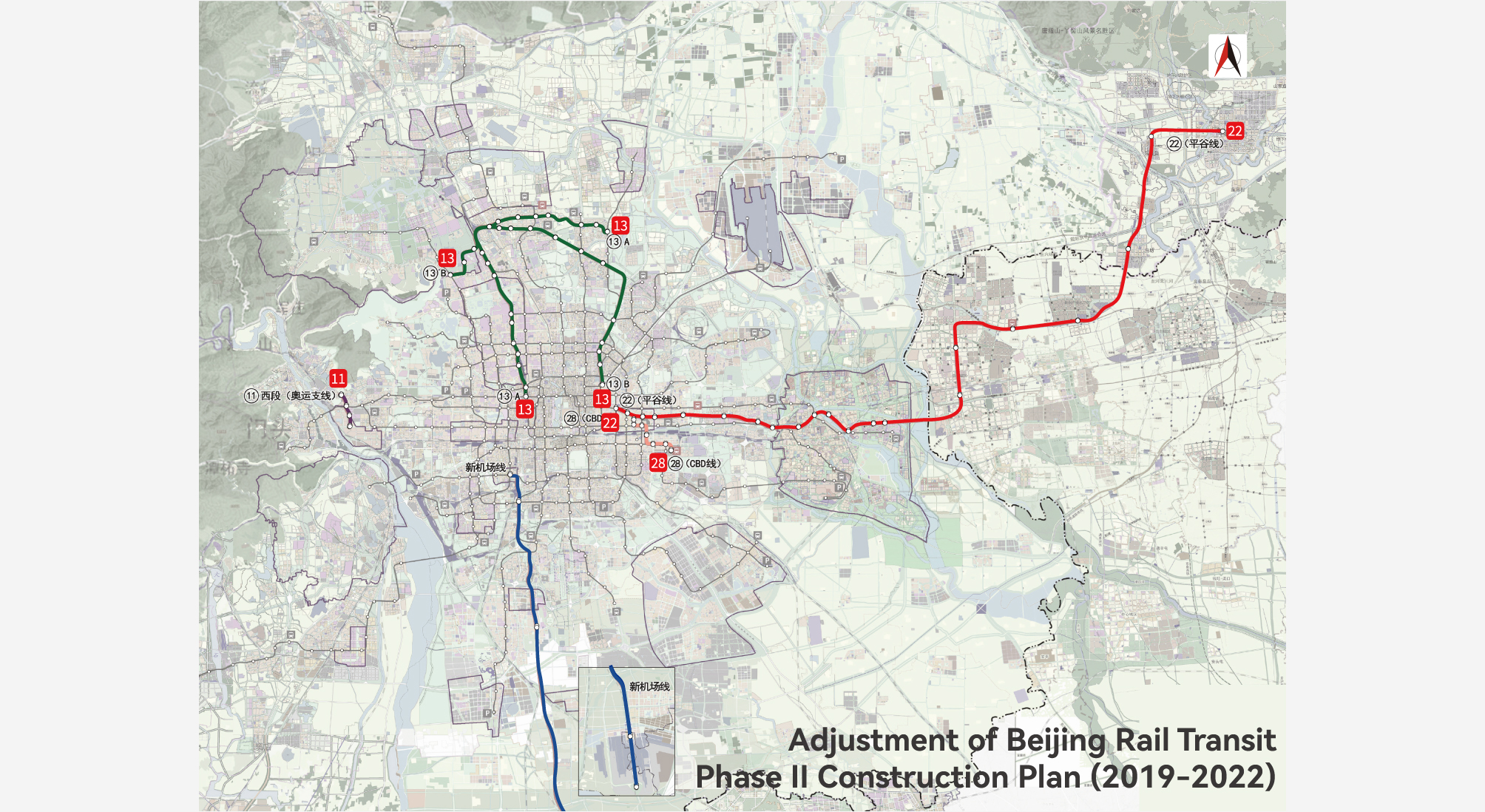
By the end of 2023, Beijing had 27 subway lines in operation, with an aggregate length of 807 kilometers. We focus on the spatial layout and structure of the entire urban agglomeration in this rail transit network and divide the functions of rail transit into four categories: high-speed (intercity) railway, regional rapid transit (including suburban rail), metro rapid route, and metro regular route, based on different demand characteristics and service levels of each spatial layer.
We uphold a p...
Shijiazhuang
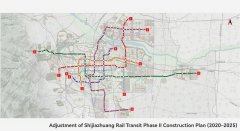
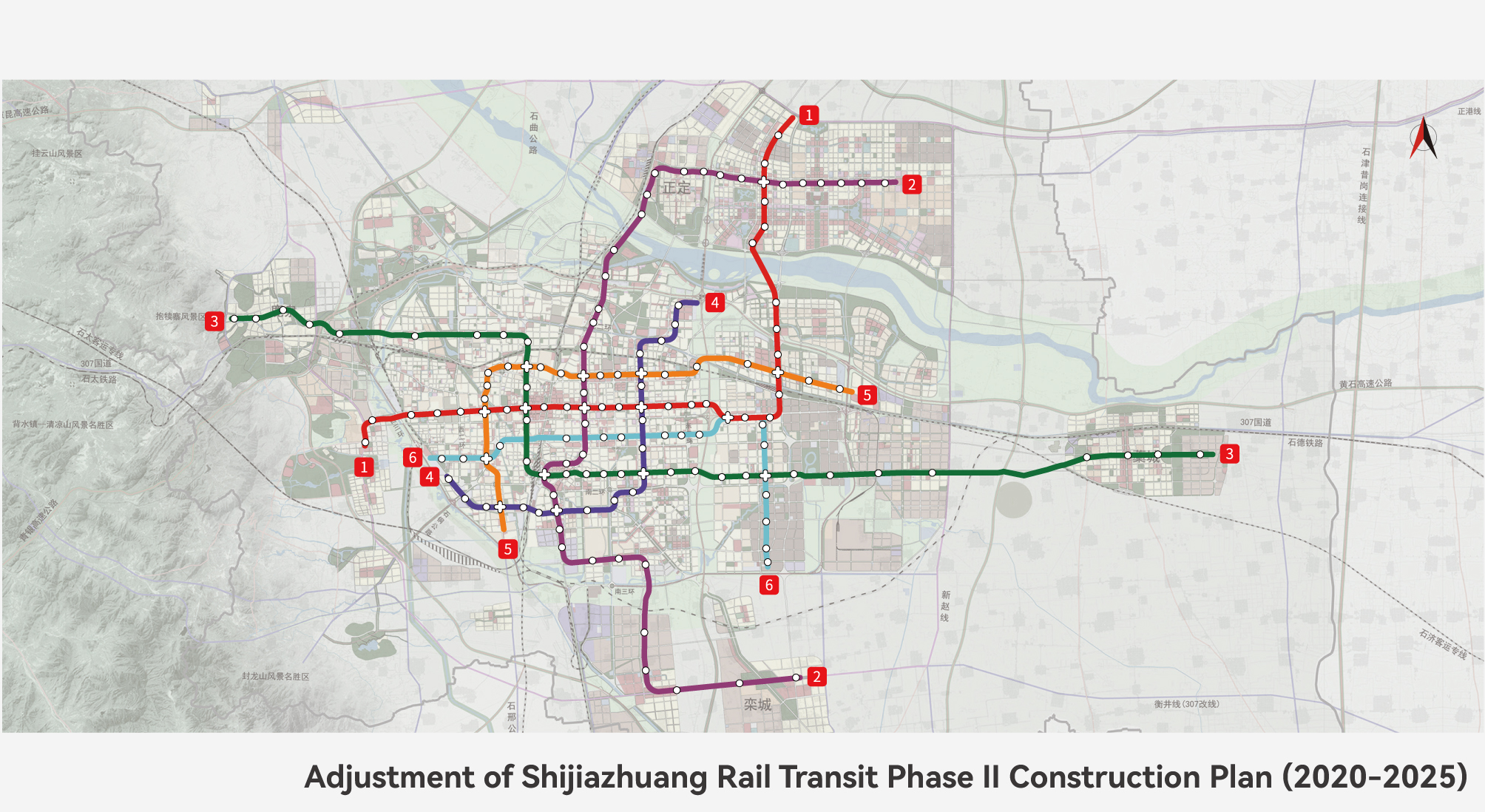
The network plan has witnessed three revisions since 2002. To meet the development goals of covering the full area, providing layered services, supporting multiple centers, and enhancing the role of hubs, we finally formulate a rail transit network that features multi-point connectivity between the urban regular route and suburban (commuter) railways.
In July 2012, the Short-term Construction Plan of Urban Rail Transit in Shijiazhuang (2012–2020) was approved, with a construction scale of 59....
Changchun
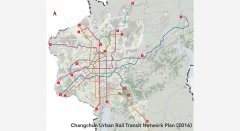
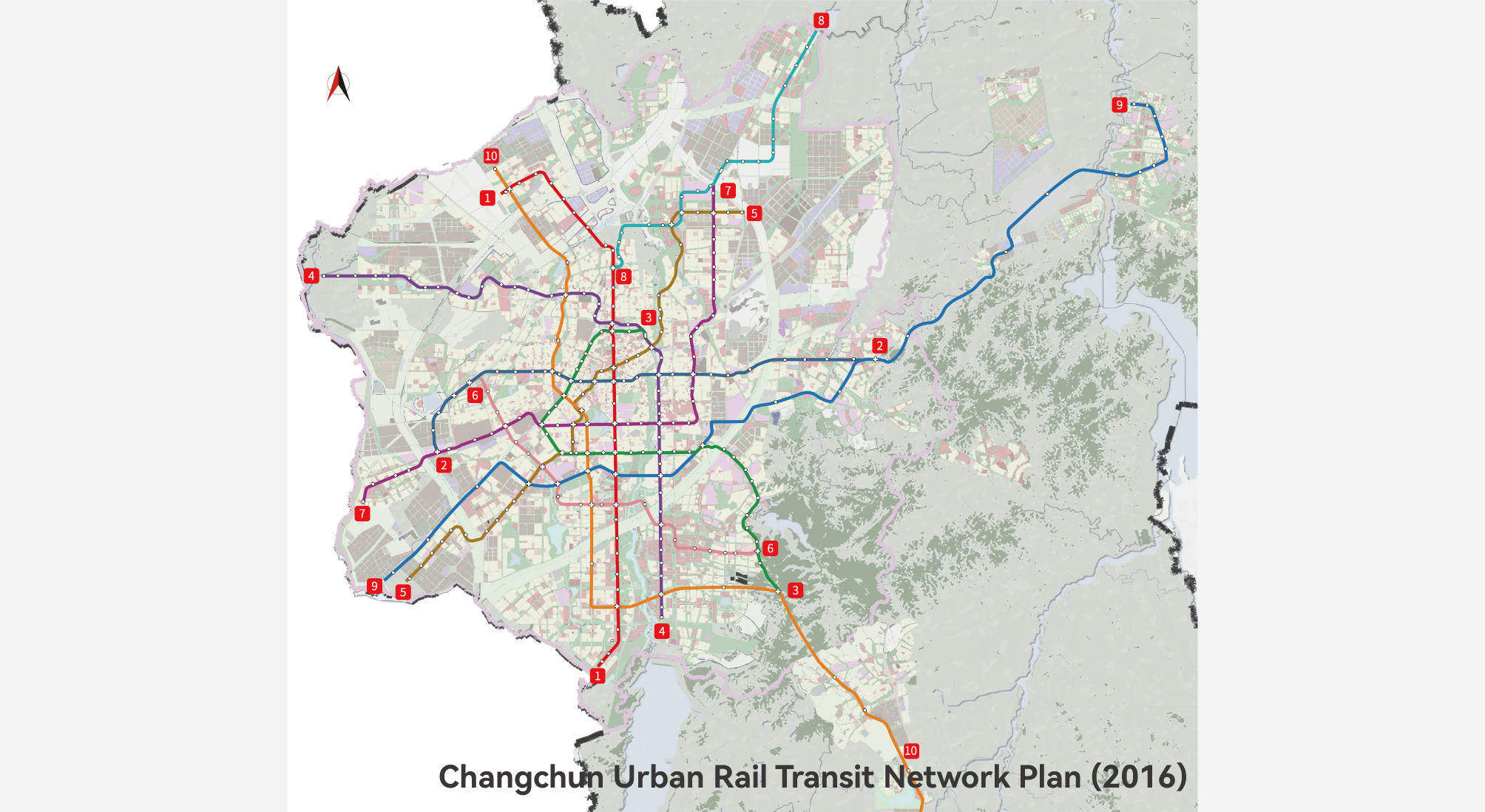
After adjusting four network plan versions, a radial rail transit network that consists of 8 standard lines and 2 express lines was formed, with a total length of 460 km. This network effectively supports the "two centers, two industrial wings, and multiple clusters" urban spatial framework.
Starting from light rail, Changchun is gradually building a multilayer rail transit network. The total scale of approved construction projects is 235 km, including Phase 1 projects of Line 3 that have been i...
Chongqing
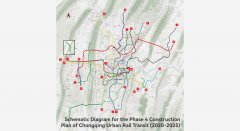
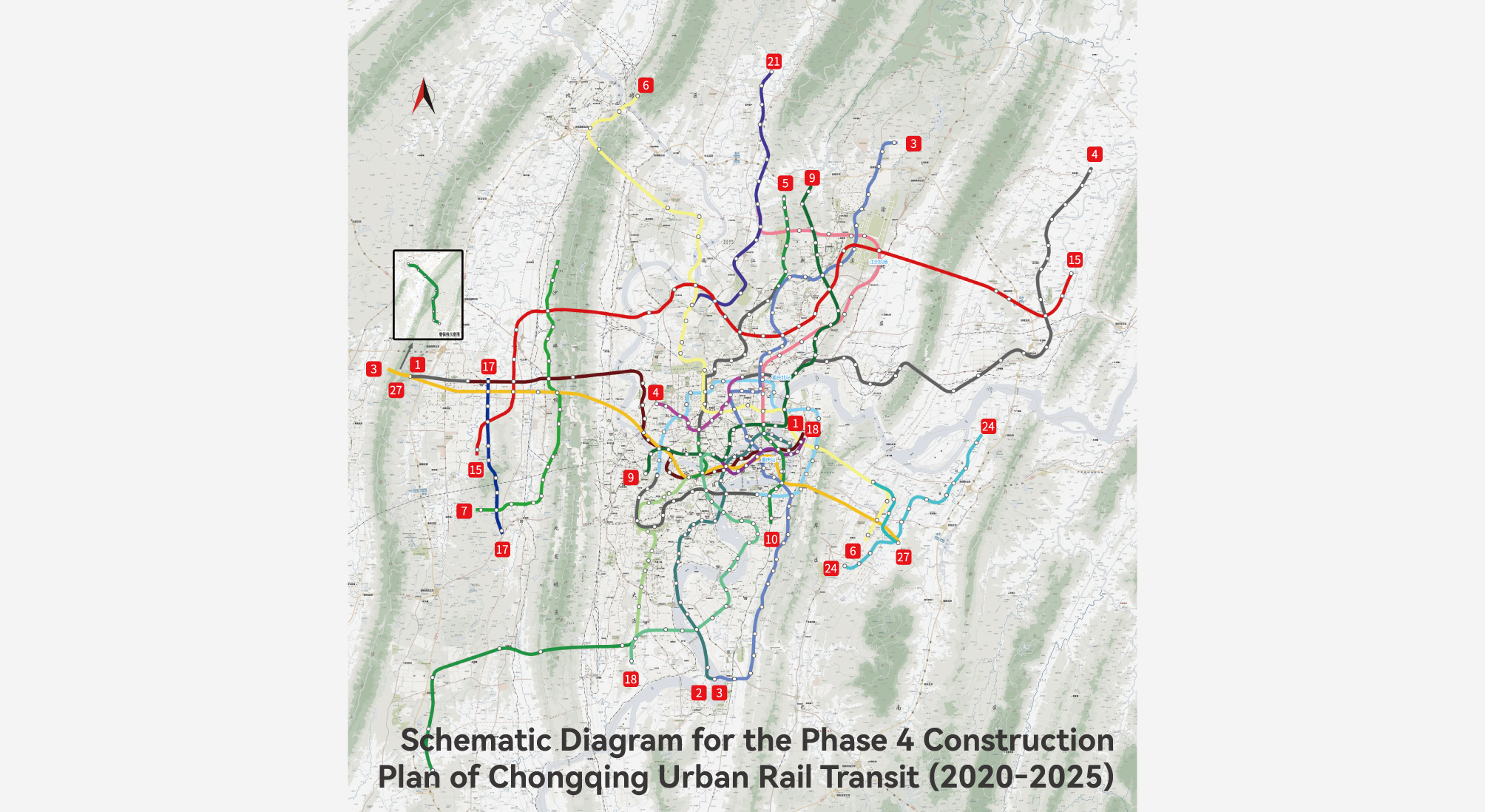
The Revision of the Chongqing Urban Rail Transit Network Plan (2016–2030) served as the cornerstone for formulating the Phase 3 Construction Plan.
The Phase 4 Construction Plan of Chongqing Urban Rail Transit responds to urban‑development needs and supports core‑area optimization, accelerated development of the two valley zones, and integrated development of the main urban area. It covers eight projects with a total route length of 198.5 kilometers.
The Revision of the Phase 4 Constru...
Nanjing
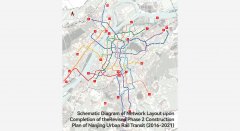
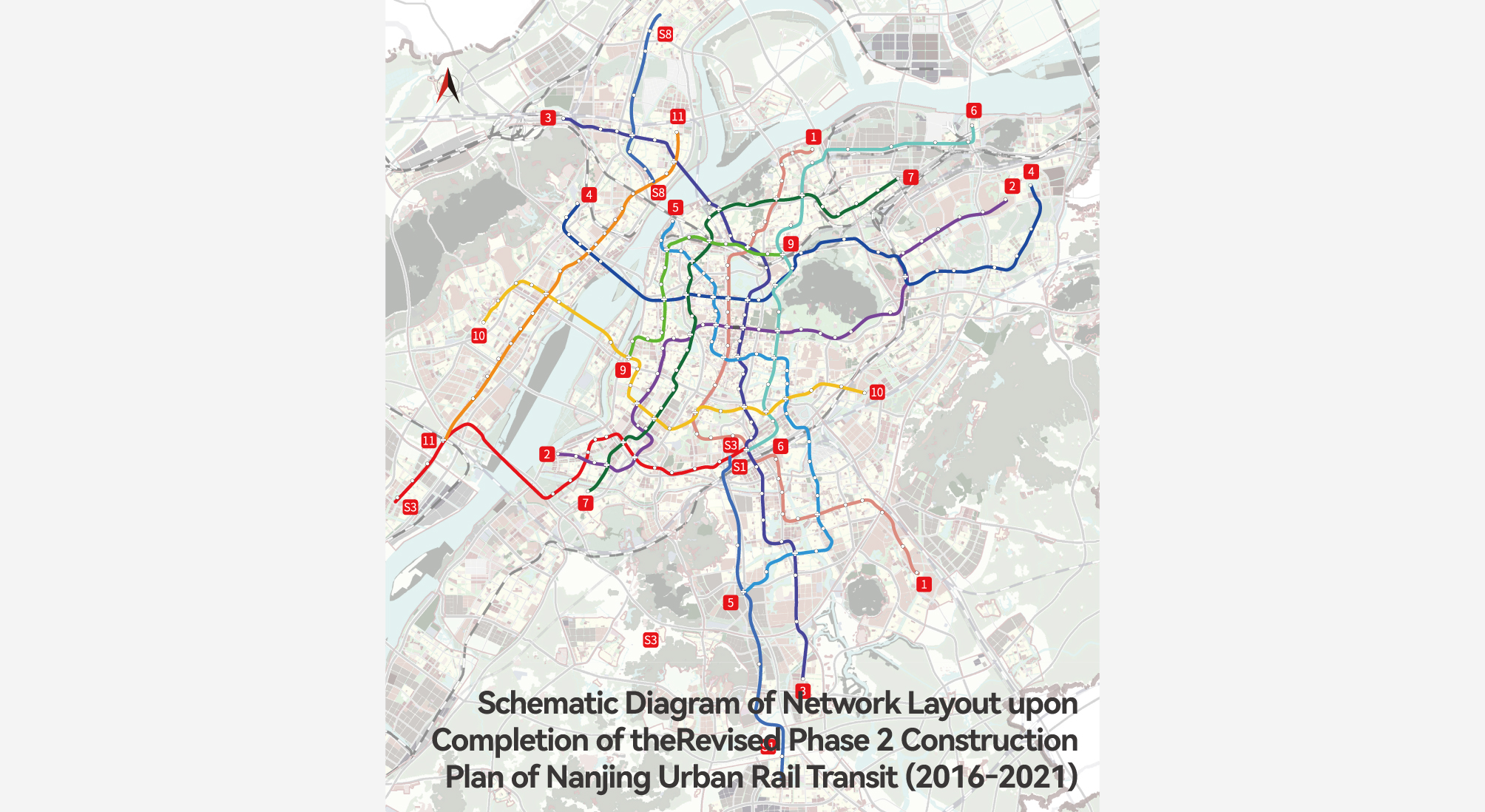
Deeply rooted in Nanjing: the Nanjing rail‑transit network plan has been continuously upgraded alongside societal progress. Multiple rounds of revisions have shaped a network pattern of “Three Axes and Ten Corridors for Express Lines, Nine Vertical and Eight Horizontal Trunk Lines, and Multi‑network Integration”. The planned total network scale reaches 1,260 km, comprising 10 urban‑suburban lines totaling 462 km, 18 urban‑core lines totaling 671 km, and 10 local‑area lines tot...
Qingdao
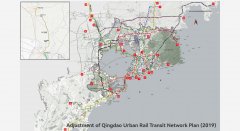
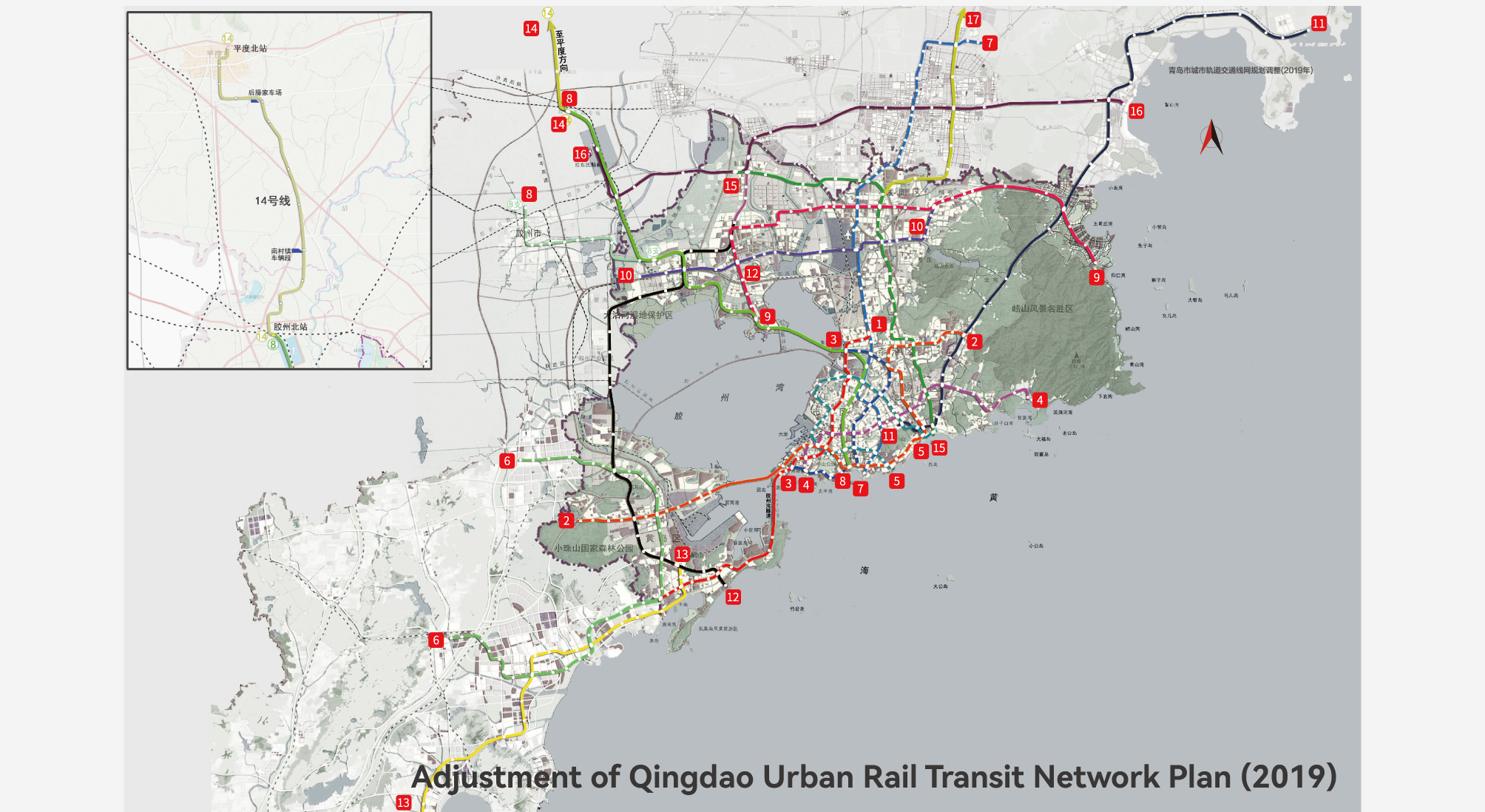
Qingdao’s spatial structure has shifted from a “working in the south, living in the north” pattern to a “city-wide coordination” framework. Qingdao’s rail transit network plan was initiated in 1987 and endured several rounds of revisions aligning with the city’s spatial evolution. Today, it has formed a network structure of “full coverage, bay area-driven radiation, three urban clusters with three separate networks, and rapid inter-network connectivity”. The Adjustment of Qingda...
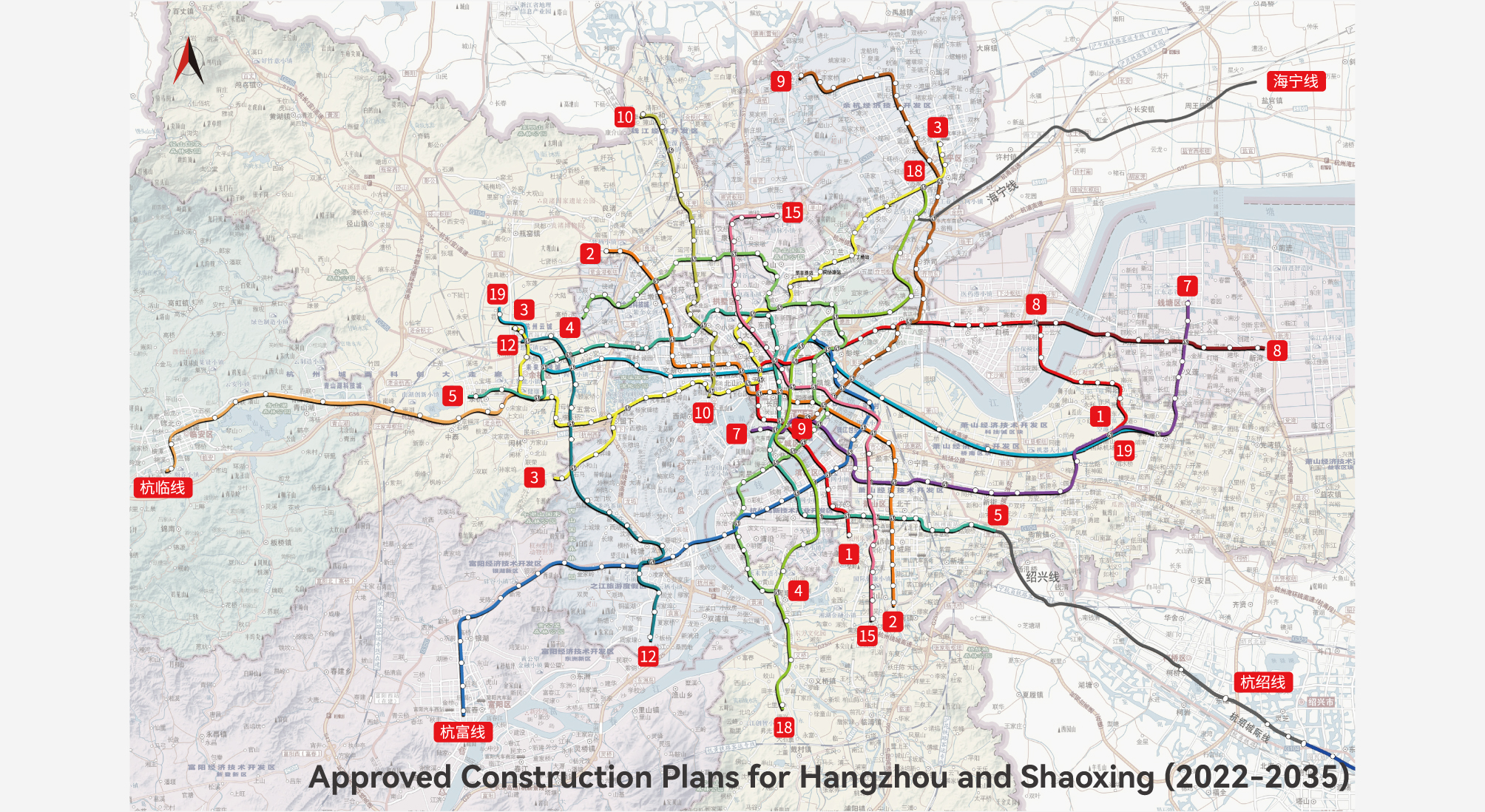
Hangzhou & Shaoxing
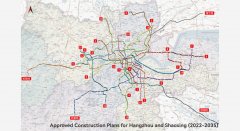
Hangzhou Rail Transit Network Plan (Revised), Adjustment of Hangzhou Rail Transit Network Plan, Shaoxing Urban Rail Transit Network Plan (Revised), and Shaoxing Urban Rail Transit Network Plan (2021-2035).
Hangzhou Urban Rapid Rail Transit Construction Plan (2005-2010), Hangzhou Urban Rail Transit Short-term Construction Plan (2013-2019), Hangzhou Urban Rail Transit Phase III Construction Plan (2017-2022), Adjustment of Hangzhou Urban Rail Transit Phase III Construction Plan (2017-2022), Shaoxin...
Zhengzhou
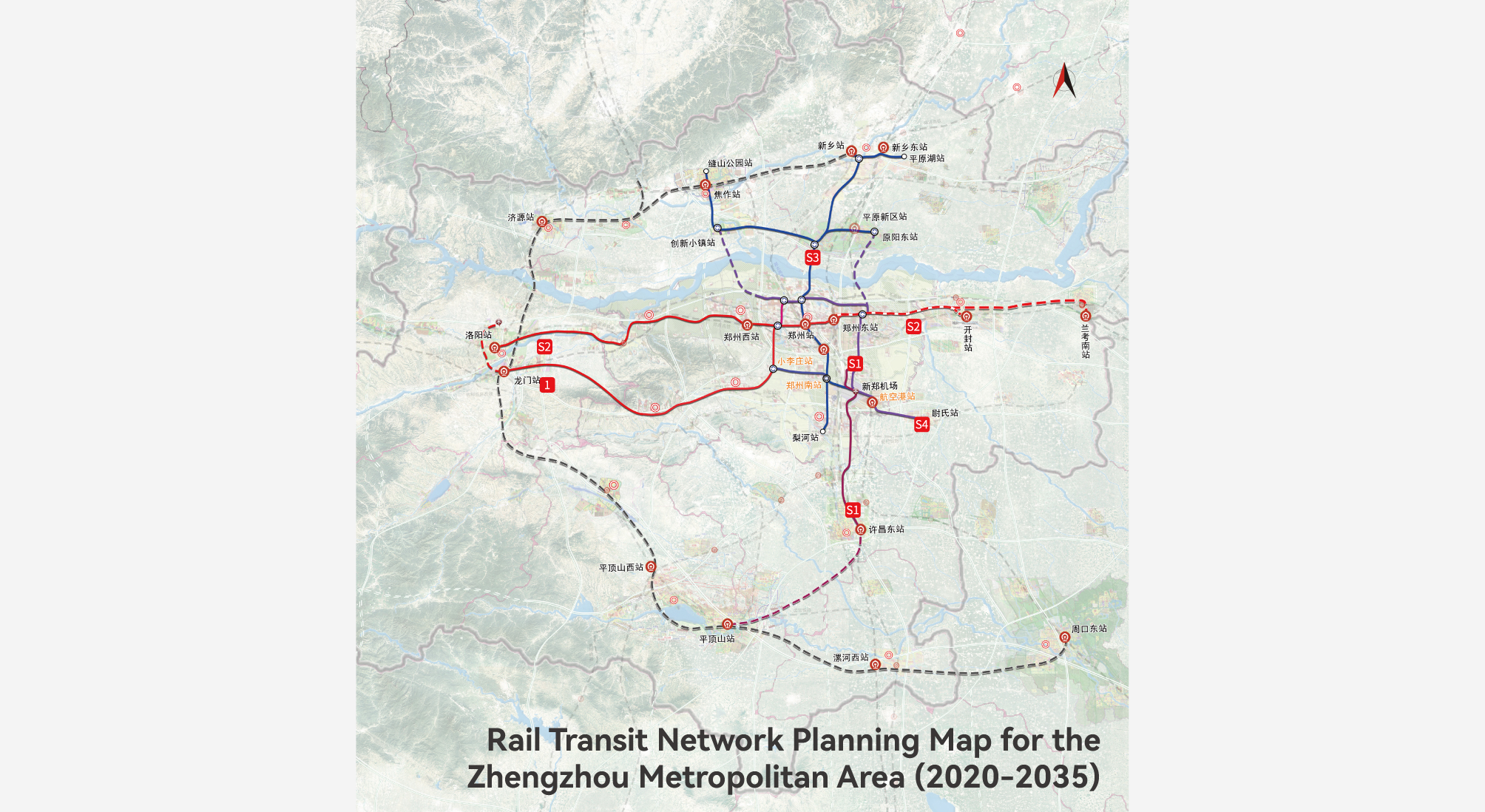
The Rail Transit Network Plan for the Zhengzhou Metropolitan Area blends intercity railways, suburban (commuter) railways, and urban expressways to create a zone with multiple functions and intercity integration. As the first city to independently develop a rail transit network with a maximum speed of 200 km/h, Zhengzhou adheres to the philosophy of “connecting city cores and traversing urban areas”, “one main line with multiple branches”, and “seamless interconnection”.
With a total...
Jinan
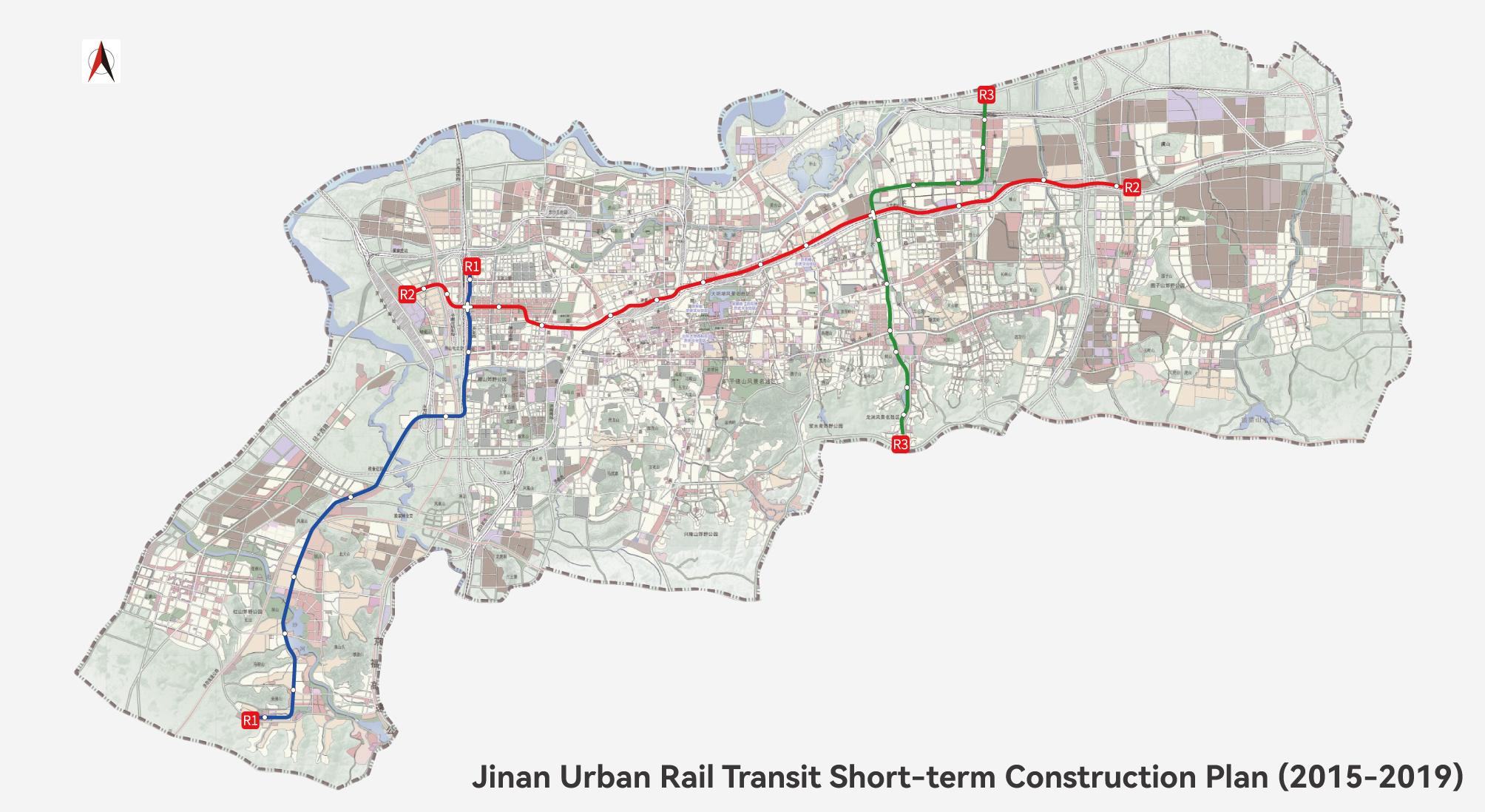
The Jinan Rail Transit Network Plan is made based on two features: spring conservation and linear city. It gives priority to the study of spring water protection and pioneers the unique practice of conducting engineering geological studies before the network planning stage. Spring-sensitive zones are also established to ensure the feasibility and stability of the overall scheme. To meet the requirements of linear spatial configuration, it adopts express lines to run through the city, thereby form...