NEWS & EVENTS

NEWS & EVENTS
UCD Wins Nine More National Quality Engineering Awards
Recently, the winners of the 2024–2026 National Quality Engineering Awards were announced, with nine projects designed by UCD making the list.
Established in 1981 with the approval of the Central Committee of the Communist Party of China and the State Council, the National Quality Engineering Award is China’s earliest national-level quality award in the field of engineering construction. It spans multiple industries and professional disciplines.
Chongqing Rail Transit Bishan-Tongliang Line
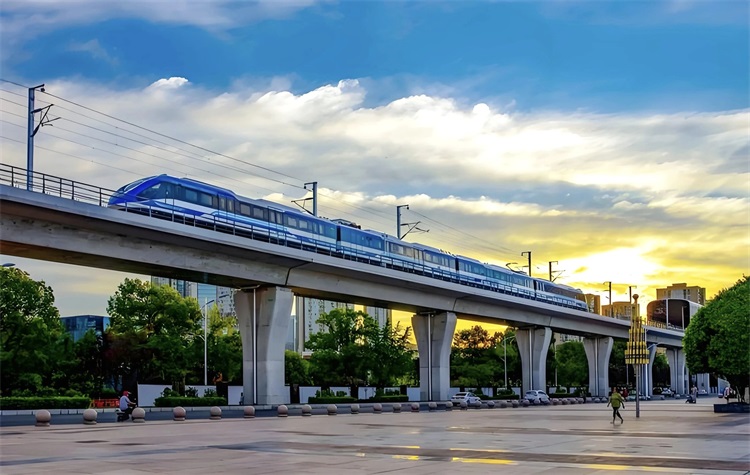
Chongqing Rail Transit Bishan-Tongliang Line spans 37.5 kilometers and is the city’s first suburban railway designed for an operating speed of 140 km/h. Invested in and constructed by UCD, the project set four new records for suburban railway construction in Chongqing, i.e., the highest operating speed, the longest route, the longest mountain tunnel, and the most complex geological conditions. It also achieved nine firsts in Chongqing and received multiple quality engineering awards at provincial and ministerial levels. The line commenced initial operations in January 2025, connecting Bishan and Tongliang districts and linking them to the rail transit network in the central urban area of Chongqing. It has significantly improved connectivity within the Chengdu-Chongqing economic circle.
Second Teaching Complex and Library, Information and Education Center, New Campus of Beijing Information Science and Technology University
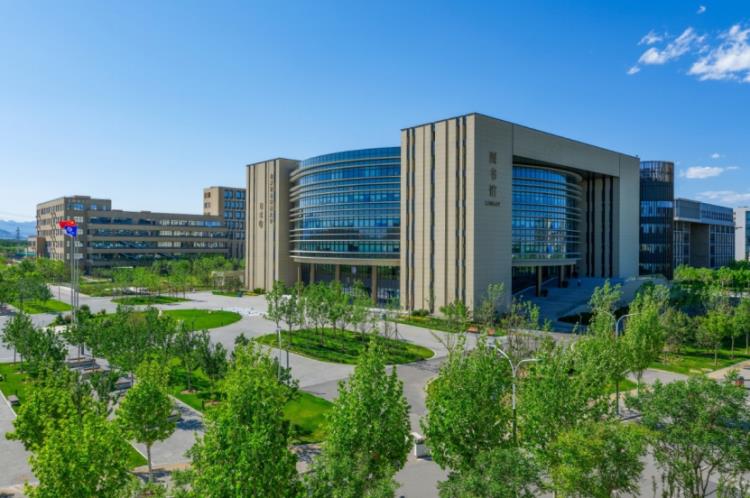
The New Campus Project of Beijing Information Science and Technology University is a key municipal project in Beijing. Located in the campus’s central teaching complex area, the Second Teaching Complex and Library, Information and Education Center is a landmark building complex designed to accommodate teaching and research, library services, academic exchanges, and other functions. Beijing Urban Construction Exploration & Surveying Design Research Institute undertook the geotechnical investigation for the project. Through comprehensive on-site investigations, the team accurately identified the site’s engineering and hydrogeological conditions and provided detailed, reliable geotechnical parameters. This work provided strong support for cost control, construction drawing design and the successful completion of the project.
Qingdao Metro Line 1
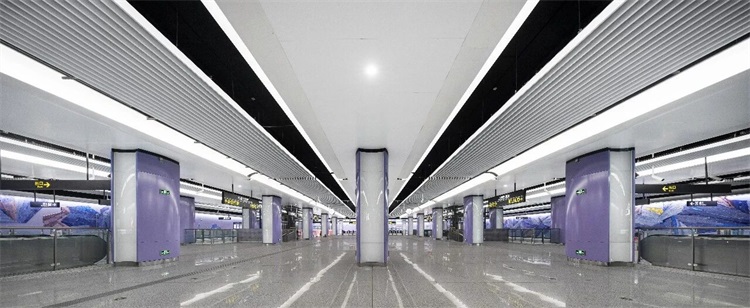
Qingdao Metro Line 1 stretches 59.97 kilometers and features China’s first subsea metro tunnel. As the overall design entity, UCD was responsible for establishing the overall technical standards, leading external communications and coordination, and designing Civil Works Lot 05, as well as the communications, signaling and track systems throughout the line. The project team addressed major challenges involving marine surveys, construction safety, and disaster prevention and rescue during operation. It also overcame technical challenges in launching double-shield tunnel boring machines (TBMs) in confined spaces and conducting advanced geological prediction, and also set a new record for TBM excavation in hard rock formations, with a monthly advance of 391 meters. The project has thus delivered an urban metro system that is resource-efficient and environmentally friendly.
Shenzhen Metro Line 16
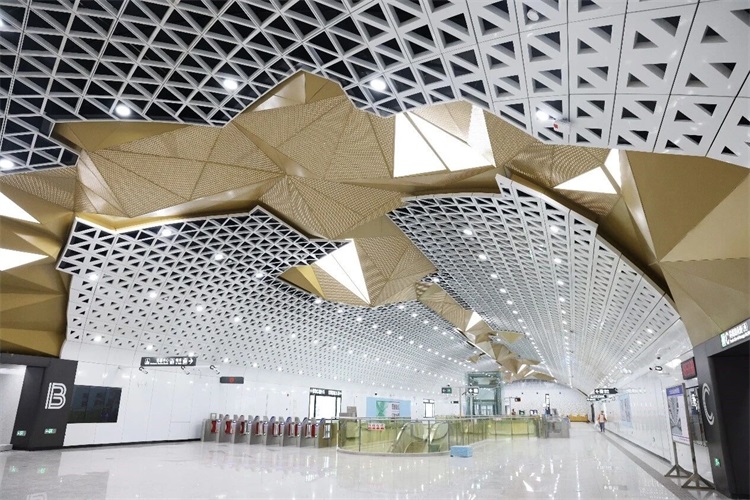
Shenzhen Metro Line 16 stretches 29.62 kilometers and serves as a key transport corridor supporting Shenzhen’s “Eastward Expansion Strategy”. UCD undertook the project’s overall design and engineering survey. Drawing on an innovative design concept that combines the revitalization of intangible cultural heritage with cultural tourism, UCD created China’s first metro line themed around cultural tourism. The project also features internationally advanced technologies, including an Intelligent Environmental Control System (IECS) and prefabricated track technology. To address challenging geological conditions along the route, including karst formations, faults and isolated boulders, as well as limited working space in urban areas, the team from Beijing Urban Construction Exploration & Surveying Design Research Institute developed an innovative method for estimating cave volumes. Its high-quality survey findings provided a solid technical foundation for route design, construction and safe operation.
Wuhan Metro Line 5
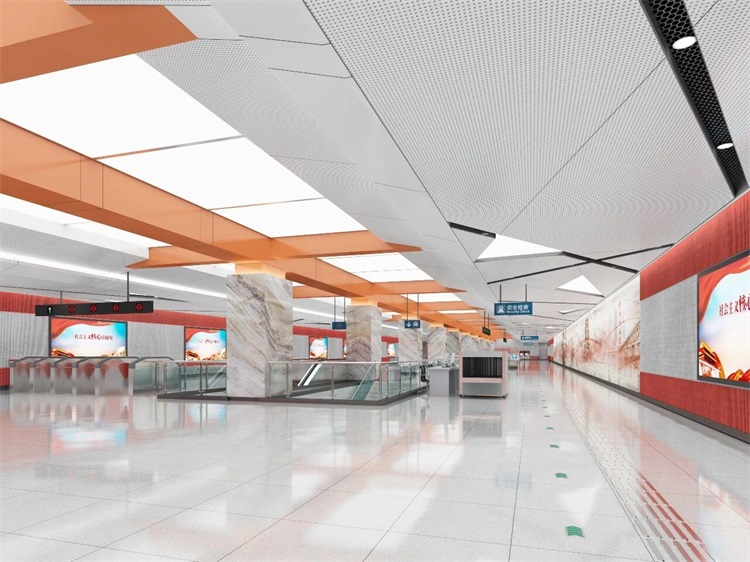
Wuhan Metro Line 5 stretches approximately 35.1 kilometers and serves as a key north-south transport corridor through the Wuchang area, supporting development along the Yangtze River. UCD was responsible for Lot 2 of the standalone design for the line and Lot 3 of the standalone design for Phase II. The project team overcame a range of technical challenges, including tunneling through hard rock formations beneath Snake Hill, tunneling beneath elevated bridges and underpinning bridge piers, protecting nearby cultural heritage sites in situ, and carrying out comprehensive remediation in karst collapse zones. Through its professional design expertise, UCD helped ensure the project’s safety and quality, improve transport services along the route, and promote the preservation of Wuchang’s ancient city while supporting its urban development.
Fuzhou Metro Line 6
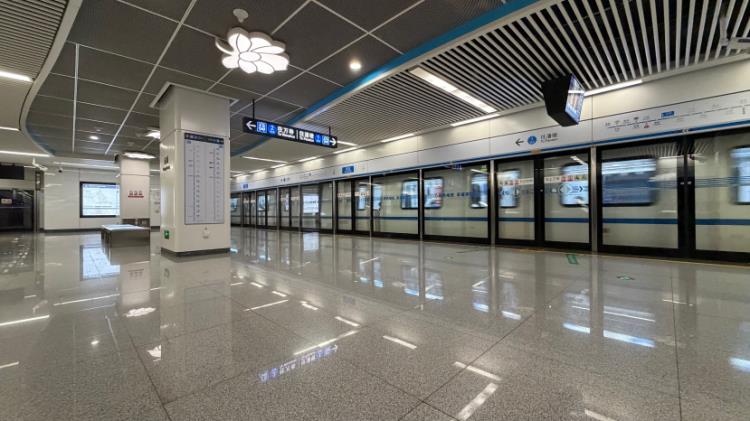
Fuzhou Metro Line 6 stretches approximately 31 kilometers and is a key component of Fuzhou’s urban development strategy of “expanding eastward and southward, and developing along the river toward the sea”. UCD undertook the design of Civil Works Lot 2 of the project. Focusing on complex urban environments and geological risk control, the project team developed differentiated support systems for the western rock and eastern silt sections at Hangcheng Station and improved the support system for the deep soft soil foundation pit at Zhenghe Station. These solutions significantly reduced construction and installation costs as well as construction risks.
Hangzhou Metro Line 8
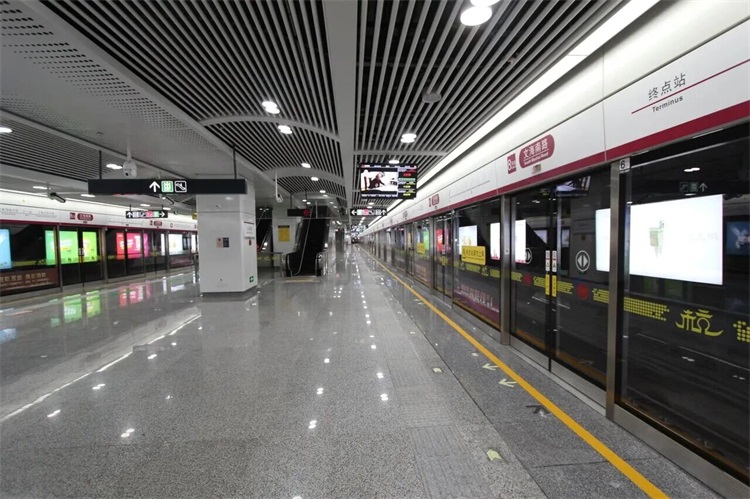
Hangzhou Metro Line 8 Phase I stretches approximately 17.1 kilometers and serves as a key east-west rail transit corridor in Qiantang District, Hangzhou. UCD was responsible for the power supply system design for Hangzhou Metro Line 8 Phase I, covering ring main cables, substations, the overhead contact system, stray current protection and power monitoring systems at all stations and the Xinwan Depot. At challenging sections, including the long-distance large-diameter shield tunnel beneath the Qiantang River and interchange stations, the project team introduced innovative power supply solutions and optimized system design. These further reduced project investment and mitigated power supply safety risks in the river-crossing section.
Zhengzhou Metro Line 12 Phase I
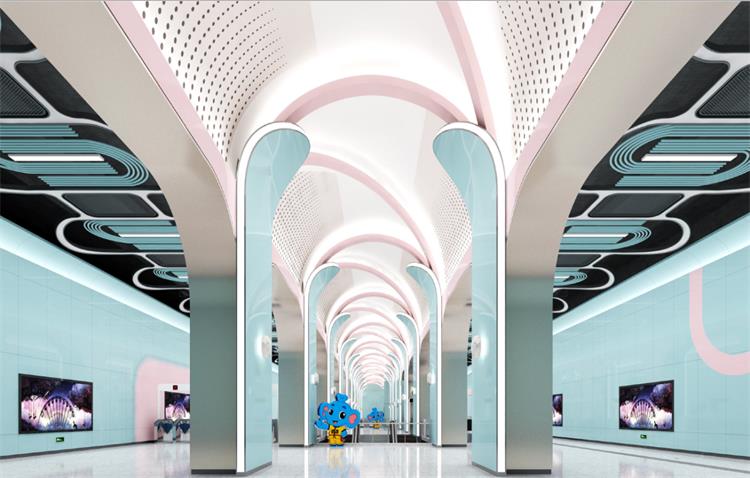
Zhengzhou Metro Line 12 Phase I stretches 16.545 kilometers and serves as a key network-expansion corridor connecting multiple districts across Zhengzhou. It provides convenient rail transit services to support industrial upgrading and urban development in the areas along the line. UCD served as the overall design contractor. The project team implemented BIM-based design throughout the project lifecycle and across all disciplines, and pioneered several green and low-carbon technologies, including optimized electric heat tracing for metro pipelines, a new earthing technology for smart and low-carbon metro, and a smart and low-carbon smoke extraction solution for depot access tracks.
Commercial and Financial Project for Plots E-08 and E-09, Lize Financial Business District
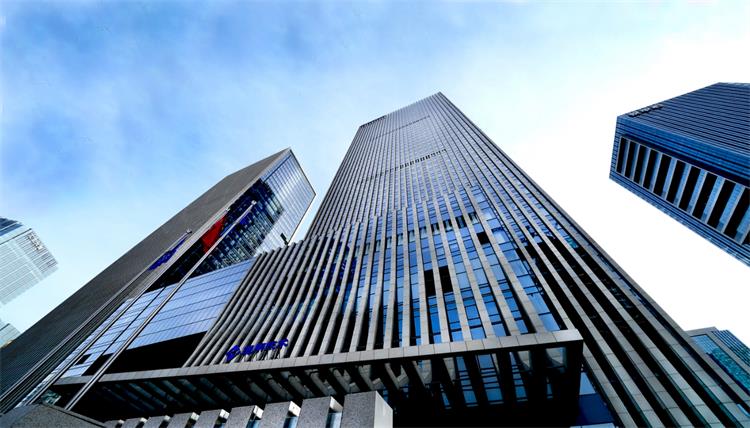
The Commercial and Financial Project for Plots E-08 and E-09, Lize Financial Business District (Genertec Center) is a key municipal construction project in Beijing. Upon completion, it will attract high-value-added service industries, set a new benchmark for office properties in the area, give fresh impetus to the development of Lize, and establish a new standard for supertall headquarters office buildings in the Lize Financial Business District. Beijing Urban Construction Exploration & Surveying Design Research Institute undertook the project’s engineering survey and third-party monitoring. The team conducted systematic investigations into the site’s geological formations, geotechnical parameters, and hydrogeological conditions, providing reliable geological data for the design. Throughout the construction process, it also carried out engineering safety monitoring and risk warning, providing robust technical support for the project’s successful delivery.