NEWS & EVENTS

NEWS & EVENTS
UCD Shines at CIFTIS 2026
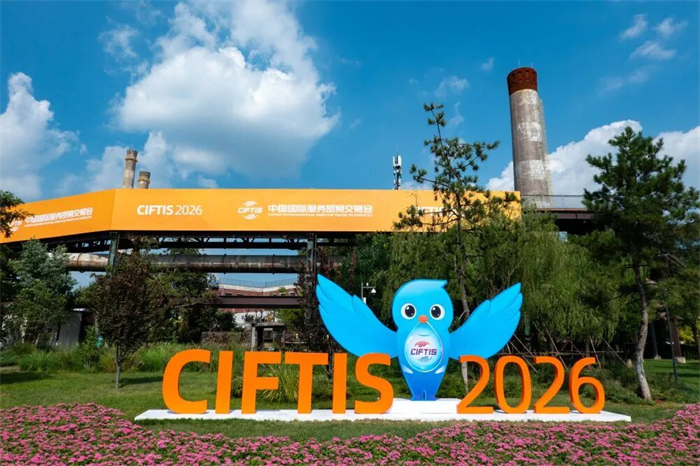
On September 9, the 2026 Global Trade in Services Summit was held in Beijing. Beijing Urban Construction Design & Development Group (UCD) was responsible for the overall environmental design and atmosphere creation for the 2026 China International Fair for Trade in Services (CIFTIS). Inspired by the concept of “A Bridge to Mutual Benefit”, the design reflects the summit’s theme, “Opening Up Leads Development, Cooperation Delivers the Future”, harnessing the power of design to elevate this global trade in services event.
Renewal Through Continuity
Helping CIFTIS Enter a New Stage of “One Venue for the Entire Event”
Since the launch of CIFTIS, UCD has undertaken the overall environmental design for the event on multiple occasions. In 2026, Shougang Park became CIFTIS’ permanent venue. Against this new setting, the design team continued the “CIFTIS Orange” visual identity and introduced the concept of “A Bridge to Mutual Benefit”. Guided by the principles of heritage symbiosis, lightweight design, and cost-efficient event planning, the team seamlessly integrated the industrial character of Shougang’s steel heritage with modern exhibition functions. Building on the “One Ring, Six Axes” pattern, the team created a series of spatial experiences at different scales, connecting key areas including entrance gateways, exhibition halls, the high line park, and the waterfront. The result is an immersive environment with clear spatial layers and a balance between activity and tranquility, which brings the vision of “landscape within the park, industry as scenery” to life and offers exhibitors and visitors a fresh experience.
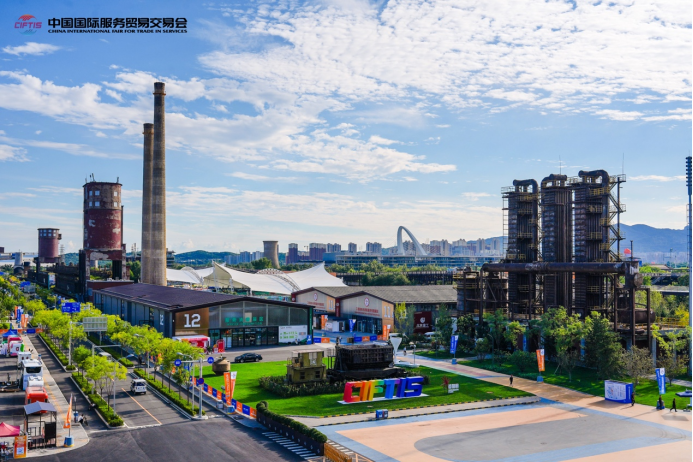
The most notable feature of this environmental upgrade is the renewal of the venue-wide wayfinding system. Moving beyond the traditional function of directional signage, the design team has transformed the wayfinding system into an integrated service network that combines smart navigation, visitor services, and immersive experiences. Drawing on Shougang’s distinctive industrial heritage, the team has installed systematic, standardized and intelligent signage at key locations, including exhibition halls, intersections, and transport hubs, thus greatly improving circulation efficiency and spatial accessibility across the park. Also, the design team has focused on participants’ practical needs by strategically providing rest platforms, business negotiation zones, shading and other facilities. Through thoughtful, user-centered design, the upgraded environment supports the successful delivery of this year’s CIFTIS to high standards and with high quality.
In addition, UCD was responsible for the planning, execution, and service support of the Forum on Digital and Intelligent Innovation across the Construction Industry Chain.
Empowering the Entire Industrial Chain
Showcasing New Products and Technologies
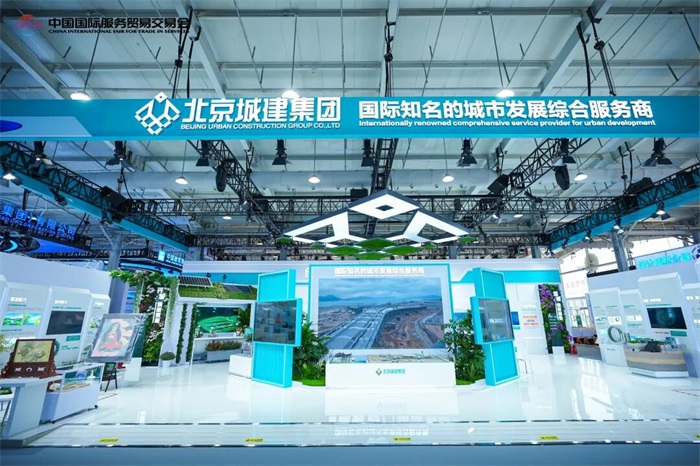
At this year’s CIFTIS, UCD and several of its subsidiaries participated in the Engineering Consulting and Construction Services Exhibition, showcasing the latest achievements and core strengths in green transformation, digital and intelligent innovation, and service upgrades. By leveraging technology to foster new quality productive forces and drive industrial upgrading through innovation, UCD is contributing to the high-quality development of urban construction.
Intelligent Safety Control Solutions: An intelligent hazard identification model, AI-enabled hazard detection cameras, and intelligent safety helmets together create an integrated “edge–network–cloud” safety management and control system. The intelligent hazard identification model can accurately identify 96 types of safety hazards on construction sites and has been deployed in rail transit projects in Beijing and Shenyang, thereby enhancing on-site hazard detection and management.
Urban Traffic and Building Vibration & Noise Control Technology: Addressing vibration and noise from urban traffic as a key quality-of-life concern, the technology provides full-path analysis and comprehensive governance on “vibration sources, transmission pathways, and affected buildings”. It delivers systematic technical support for the development of a “Quiet China” and a “Beautiful Beijing”, making urban development more people-centered.
Low-Altitude Intelligent Inspection System for Urban Rail Transit Protection Zones: Using an air-ground coordination model that combines AI-powered visual recognition with drones, the system can accurately identify multiple types of safety risks within urban rail transit protection zones and enable closed-loop management covering risk detection, intelligent warning, and rapid response, thereby creating an “aerial line of defense” for the safe operation of urban rail transit.
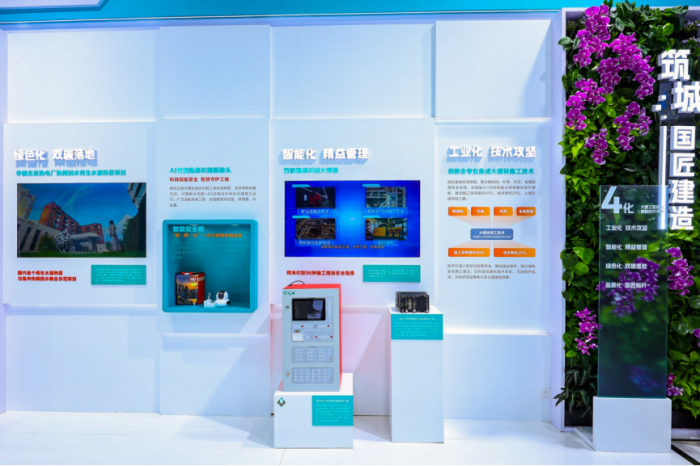
Intelligent Design and TOD Digitalization for Urban Rail Transit: A parametric design cloud platform has been developed to support multiple disciplines, including architecture, structure, and mechanical and electrical engineering. With 35 intelligent modules now in operation, the platform can improve efficiency by 30%–80% and reduce labor costs by more than RMB 20 million.
High-Performance Prestressed Shield Tunnel Technology: This technology is the first to introduce a prestressing system into shield tunnels and develop the world’s first boltless prestressed shield tunnel segments, with a view to enhancing safety, crack resistance, and resilience. It can reduce steel consumption by 40%–70% during the construction stage and cut operation and maintenance costs by more than 90%.
Carbon Emissions Calculation System for Engineering Projects: A digital accounting system has been developed for carbon emissions in construction projects, covering two major application scenarios: civil buildings and urban rail transit. The system enables accurate carbon emissions calculation and low-carbon management, fills a gap in carbon accounting technologies for urban rail transit infrastructure, and leads the way toward low-carbon design in the urban rail transit sector.
Clean Energy Engineering: The heat network return water and reclaimed-water-source heat pump project of Huaneng Beijing Thermal Power Plant, for which UCD is responsible, is China’s first demonstration project coupling reclaimed-water-source heat pumps with a centralized heat network’s return water. By enabling the recycling of reclaimed water and renewable energy, the project supplies 320,000 GJ of heat, saves 10 million cubic meters of natural gas, and reduces carbon emissions by 23,000 tonnes each year, providing a replicable model for clean heating.
Looking forward, UCD will leverage CIFTIS 2026 as an opportunity to continue delivering high-quality urban solutions and contribute to the high-quality development of Beijing’s service sector.